Project
Children and families call for a healthier food environment in Liverpool


For children and families across Liverpool, food choices are about much more than simply feeling hungry.
Every day, children encounter adverts, promotions, shops and menus competing for their attention. These environments can shape what they want, what they ask their families to buy and what comes to feel like a normal choice.
A recent project delivered by Health Equalities Group, with support from Liverpool City Council, explored what it is really like for children, young people and families to navigate Liverpool’s food environment.
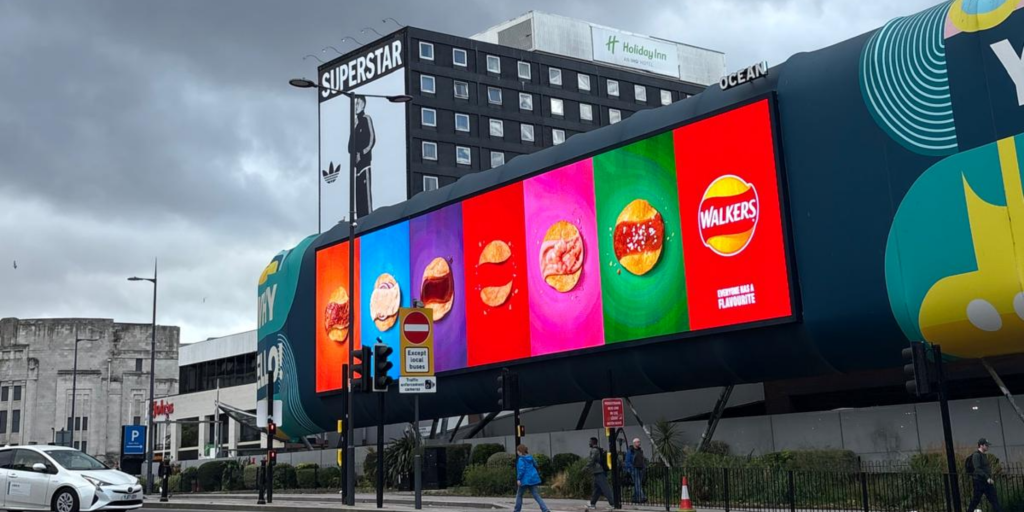
One of the clearest concerns was the amount of advertising for foods high in fat, salt and sugar. Children described seeing fast-food adverts on buses, at bus stops, on billboards, television, social media and online games. They also explained how adverts could trigger hunger and cravings, create a desire for particular products and encourage them to ask parents to buy specific foods.
Parents described similar pressures. Colourful packaging, promotions and the positioning of less healthy products can capture children’s attention and contribute to “pester power”.
Cost and availability were also important. Young people felt healthier choices could be more expensive than fast food, while parents wanted better access to affordable fresh food and convenient healthier options.
These experiences reinforce an important public health message: healthier choices cannot depend on individual responsibility alone. The environments in which people live, learn, travel and shop also shape what is available, affordable and appealing.
Young people were also clear that they want a meaningful role in changing those environments. Their recommendations include stronger controls on less healthy food advertising, more affordable healthier food, improved school food and greater involvement of children and families in local decision-making.
Liverpool has already taken action through its Healthier Food Advertising policy. But creating healthier food environments will require continued action across local and national government, schools, businesses and other partners.
The Youth Manifesto, including the youth policy calls, can be found here.
For access to the full report, including the research with primary school pupils and parents, please contact info@heg.org.uk for more information.
Sign up to get the latest news and insights from us directly to your inbox, and follow us for more on social
By submitting you agree to receive our newsletter. You may withdraw consent at any time via the "Unsubscribe" link in emails or view our privacy policy.


